· 7 min read · New ConstructionProsper TXCelina TXHome BuildersBuying a Home
New Construction in Prosper & Celina: What to Know Before You Buy
Buying a new-construction home in Prosper or Celina? Learn why you need your own Realtor®, how builder incentives really work, and the hidden costs — lot premiums, design center markups, MUD/PID assessments — that don't show up on the price sheet.
Quick answer: Yes, use a Realtor® when buying new construction in Prosper or Celina — it costs you nothing extra, and the builder's sales rep works for the builder, not you. Register your agent on your very first visit to the sales office. Beyond representation, the two things that surprise buyers most are how builder incentives work (most require the builder's preferred lender) and the hidden costs that don't appear on the price sheet — lot premiums, design center markups, and MUD/PID assessments.
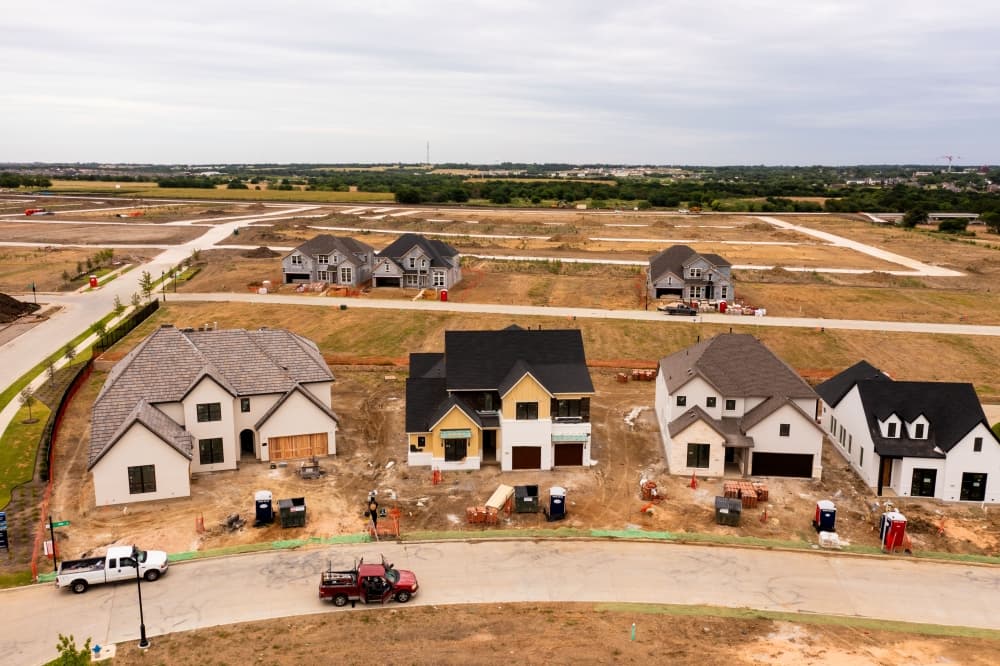
New construction is everywhere along the US-380 corridor right now. Prosper and Celina have some of the most active new-home markets in North Texas, with builders ranging from production-scale to full custom shops. If you're looking at a model home this weekend, here's what to understand before you sign anything.
Should you use a Realtor® when buying new construction?
Yes, and it costs you nothing extra to do it.
The person sitting behind the desk in the builder's sales office works for the builder. Their job is to sell that community's inventory at the best price and terms for the builder, not to negotiate on your behalf. That's not a knock on them, it's just the job.
A buyer's agent represents you instead. That means reviewing the purchase contract line by line (builder contracts are written by the builder's attorneys and favor the builder), checking whether the base price, options, and lot premium are in line with what else is selling in that community, and knowing which upgrades are worth paying for at the design center versus adding later. It also means having someone track your build timeline and walk the home with you before closing.
That's how I work with my own buyers. I represent new-construction buyers throughout Prosper and Celina — helping you weigh the pros and cons of each builder's pricing, quality, and incentive structure so you can compare them confidently, then negotiating the best possible price and the right homesite for your needs. And my role doesn't stop at the contract: I stay involved through the design center, construction milestones, and final walk-through, and I remain a resource for you long after closing.
One thing to get right: register with your agent on your first visit, sometimes on your first phone call, to the sales office. Most builders require the agent to be present or noted on that initial visit for you to have representation. Walk in alone first, and some builders won't let your agent get involved after the fact.
If you're comparing builders in Prosper or Celina, my guide to the top homebuilders in both markets breaks down price ranges and which builders build where.
How do builder incentives work?
Builder incentives are discounts a builder can apply, often through their own preferred lender. Common forms right now:
- Rate buydowns, where the builder pays to lower your mortgage rate for the first year, two years, or three years, (a "2-1 buydown") or even for the life of the loan.
- Closing cost credits, applied toward your costs at closing rather than the sale price.
- Design center credits toward upgrades and options.
- Reduced or waived lot premiums, particularly on homesites that have been sitting.
The catch: most of these incentives are only available if you use the builder's preferred lender. That lender may or may not offer you the best rate on its own merits, so it's worth having your own lender run the numbers alongside the builder's offer before you decide. I work with lenders who do exactly that comparison for my buyers.
Incentives also move. What a builder offers on a home in inventory today can look different than what they offer on a home you contract to build from the ground up six months out, and offers often shift at the end of a sales quarter when a builder is trying to hit a number. If you can be flexible on timing, that can work in your favor.
What are the hidden costs of new construction?
The base price on the sign is rarely the number you'll actually pay. Costs that catch buyers off guard:
Lot premiums. Corner lots, cul-de-sacs, larger lots, and lots backing to greenbelt or water typically carry an added charge on top of the base price.
Structural options. An extra bedroom, media room addition, extended patio, or any other option that needs to be selected before the slab is poured can add anywhere from a few thousand to tens of thousands of dollars to the purchase price.
Design center upgrades. Costs can quickly add up at the design center. Any finishes, features, and materials you choose beyond the builder’s standard selections will be added to the home's base price. If you're trying to stay on budget, you'll want to prioritize items that will be more difficult to upgrade later, like flooring, countertops and cabinets. For items like lighting, appliances, and hardware, you might want to shop around elsewhere for a better price. Some builders will require a deposit at the design center.
MUD and PID assessments. A lot of new communities in Prosper and Celina, including several highly amenitized ones, sit inside a Municipal Utility District or Public Improvement District. These are additional annual assessments on top of your regular property taxes, and they don't show up on the price sheet. I put together a full breakdown of how MUD and PID assessments work in this market, including which communities use them, since this is the cost buyers ask me about most.
HOA dues and fees. Beyond monthly or annual dues, some communities charge a one-time capital contribution at closing, often a multiple of the monthly rate.
Landscaping and fencing. Builders in this price range frequently include fencing, sod and basic landscaping, but extending your fence line, or adding additional trees, will cost you extre.
Blinds and appliances. Check the spec sheet. Not every builder includes window coverings or a full appliance package in the base price.
Before you write an offer, ask for a full list price breakdown, not just the base price, and ask what's included in "standard" versus what's an upgrade.
Where to start
If you're weighing Prosper against Celina, Prosper and Celina each have their own mix of builders, price points, and MUD/PID setups worth comparing side by side. You can also browse active new-construction communities across both, or run your numbers on the mortgage calculator before you go see model homes.